
Can a heat treatment ice cream machine process vegan ice cream mixes?
Nov 05, 2026
Leave a message
Hey everyone,
If you’ve been hanging around the ice cream game for a while, you know plant-based (vegan) is no longer a niche trend—it’s basically the new normal. Last month, I had a café owner hit me up asking: “Can your heat treatment ice cream machine even handle vegan mixes? I thought heat treatment was just for regular dairy stuff.” That question stuck with me, so I wanted to break this down straight, no fancy jargon, and share what we’ve learned at our shop about mixing heat, tech, and plant-based treats.
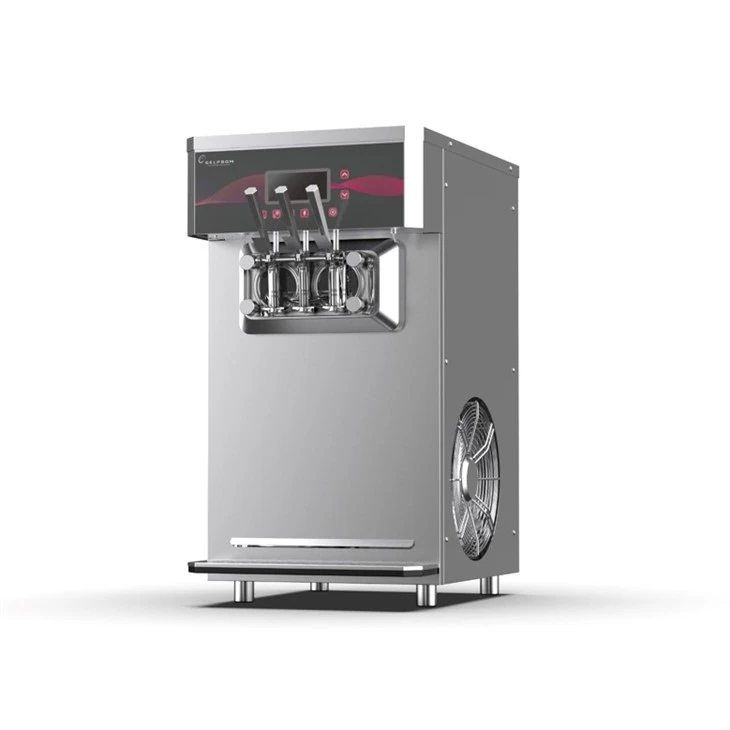
First, let’s recap what a heat treatment ice cream machine does for anyone who’s new here. Most commercial soft serve machines (like our Commercial Soft Serve Ice Cream Machines line) use a heat process to pasteurize the mix right in the machine, right before it freezes. For dairy mixes, that kills harmful bacteria like E. coli or salmonella, extends shelf life, and gives the ice cream that creamy, consistent texture people love. But with vegan mixes? Those are totally different—no milk, cream, eggs; they use nuts, oats, soy, coconut, or other plant fats instead. So does the same heat treatment work, or is it a disaster waiting to happen?
Spoiler: It works, but only if you’re not just swapping out dairy and hitting the same buttons. Let’s get into the science quick (I’ll keep it simple, promise). Dairy mixes have proteins that coagulate (clump) when heated too much, which is why pasteurization times and temps are so specific for them. Vegan mixes? Their proteins are plant-based—soy, pea, almond—each reacts differently. For example, soy protein is more sensitive to heat than cow’s milk protein; if you heat it too high for too long, it gets grainy, not silky. Coconut fat, which is super common in vegan mixes, melts at a lower temp (around 76°F) than butterfat, so overheating that can make your soft serve turn greasy instead of smooth.
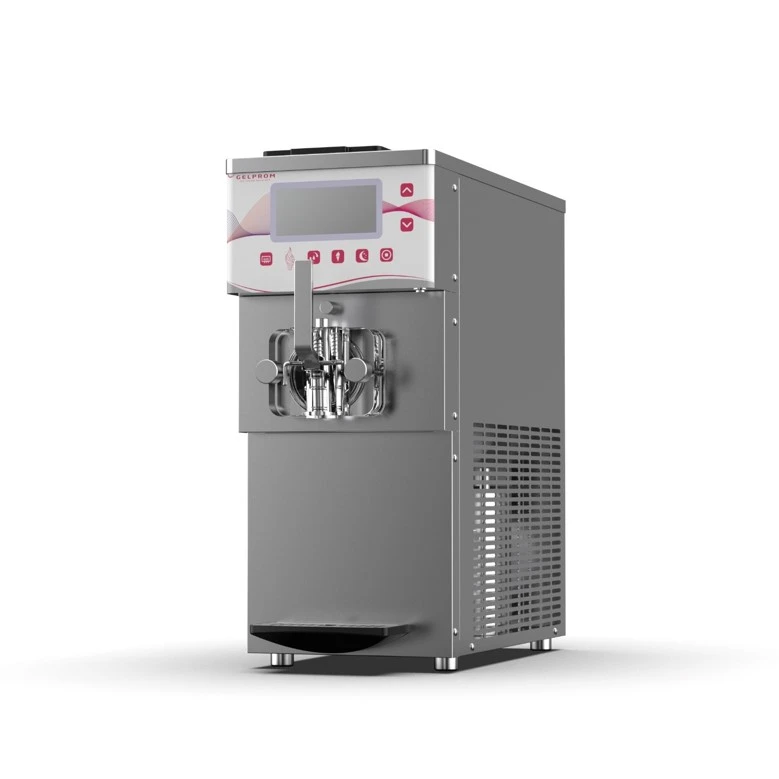
I remember when we first tested this a year ago with our Little Softy Ice Cream Machine—it’s our compact model for small cafés, so we wanted to see if it could do double duty for regular and vegan. Our first trial run? Total fail. We used a standard vegan coconut-oat mix, set the machine to the same heat cycle we use for dairy, and came out with something that looked like cottage cheese mixed with melted wax. Clumpy, grainy, no air (which is key for soft serve’s lightness), and tasted like burnt oats. Oops. That taught us a big lesson: vegan mixes don’t follow dairy’s rules.
We tweaked two things on our machine, and suddenly it worked like a charm. First, we adjusted the heat treatment profile—lower temp, longer hold time, not the quick blast dairy uses. For example, instead of 165°F for 15 seconds, we use 155°F for 20 seconds for most plant-based mixes. That’s enough to kill any potential pathogens (yes, vegan mixes can have bacteria too—nuts and oats aren’t sterile out of the bag) without wrecking the plant proteins and fats. Second, we adjusted the air injection. Our Air Cooled Soft Serve Machine has a built-in air pump system, but for vegan mixes, we turned down the air by 10%—too much air makes plant-based mixes fall flat and icy. Our Air Pump Ice Cream Machine lets you fine-tune that easily, which is a game-changer for vegan runs.
Wait, but what about the big guys? If you’re a franchise or a large ice cream shop cranking out thousands of servings a day, our Industrial Soft Serve Ice Cream Machine is built for high volume, and it handles vegan mixes just as well. We’ve had a regional ice cream chain test it, and they told us their vegan soft serve sales jumped 40% once they adjusted the heat profile. The industrial model has more precise temp controls, so you can save custom settings for 5+ different vegan mixes (soy, almond, oat, etc.)—no more guessing between runs.
But here’s the thing—this isn’t a one-size-fits-all. Every vegan mix is different. A cashew-based mix will react totally different from a peanut butter one, and even different oat brands (some use more protein, some more fiber) change how the mix responds to heat. That’s why we include a free test kit with every machine: you send us a sample of your go-to vegan mix, we run it through our lab’s heat treatment simulator, and send you a custom cycle setting. No more playing around with trial and error, wasting mix and time.
I know a lot of people in the industry still think heat treatment is only for dairy. But think about it: vegan consumers care about safety just as much as dairy eaters do. Raw vegan mixes can have bacteria from processing, storage, or cross-contamination in your kitchen. Heat treatment takes that risk away, so you can serve your vegan customers the same safe, high-quality product you serve everyone else. Plus, heat-treated vegan mixes last longer—we tested one mix that stayed fresh in the machine for 7 days after heat treatment, vs. 3 days without, so less waste for you.
Common myths I hear all the time: “Vegan mixes can’t handle heat.” No, they can handle the right heat—just not the dairy-specific heat. “I have to buy a separate machine for vegan.” Nope, not if you have a heat treatment machine—you just need to adjust a few settings. We even have a lot of customers who run dairy in the morning and vegan in the afternoon on the same machine, no cross-contamination (as long as you do a quick flush with water between runs, which takes 2 minutes).
Another myth: “Vegan soft serve has to be less creamy.” That’s not true when you use a heat treatment machine. The gentle heat emulsifies the plant proteins and fats better than just mixing them cold, so you get that same rich, smooth texture without dairy. The café owner who asked me this earlier? She tried our custom setting, and a week later she texted me a video of a line out the door for her vegan salted caramel soft serve. Said she thought she’d have to buy a whole new machine, but now she’s using her existing one.
If you’re still on the fence, here’s a quick real-world example: Last summer, we worked with a beachside shop that switched from pre-made pasteurized vegan mix (which is super expensive) to mixing their own at the shop using our heat machine. They cut their mix costs by 25%, and their sales went up because they had more unique vegan flavors (like matcha or raspberry) that pre-made mixes don’t offer. The key? They used our custom cycle for their house-made cashew mix, and it turned out exactly like their dairy soft serve—customers couldn’t tell the difference.
Now, I know you’re probably wondering: what if I mess up? Even with the right settings, you might get a run that’s too grainy or too greasy. That’s why our support team is here—we have 24/7 chat and a library of vegan mix troubleshooting tips. For example, if your mix is too greasy, you might have heated it too high, or your mix has too much coconut fat. If it’s grainy, you might need a longer hold time to let the proteins break down properly. We walk you through every step, no tech stuff—just real people who’ve been in the ice cream shop with you.
If you’re in the market for a new machine, or looking to upgrade your current one to handle vegan, don’t sleep on heat treatment. It’s not just a dairy tool anymore—it’s a way to expand your menu, reach more customers (that’s 16 million vegans in the US alone, by the way—don’t sleep on that), and cut down on waste. The models we have—from the compact little softy for small spots to the industrial one for big operations—all work with vegan mixes, as long as you adjust the heat settings.
Wrapping this up: Yes, your heat treatment ice cream machine can process vegan mixes. The only “catch” is that you need to use the right heat profile for plant-based ingredients, not the dairy one. It’s not hard, it doesn’t require a whole new machine, and the payoff is more sales and happier customers.
If you want to chat more about your specific needs—whether you’re a tiny local spot or a big chain—hit us up to discuss a machine that works for both your regular and vegan soft serve runs. We’re here to help you make great ice cream, no matter what kind of mix you’re using.
References
- Food and Drug Administration. (2022). Pasteurization of Plant-Based Foods. U.S. Department of Health and Human Services.
- American Ice Cream Association. (2023). Plant-Based Ice Cream Market Trends and Processing Guidelines.
- Smith, A. et al. (2021). Heat Treatment Effects on Plant-Based Protein Emulsions for Frozen Desserts. Journal of Food Science.
- Statista. (2024). Number of Vegan Consumers in the United States.